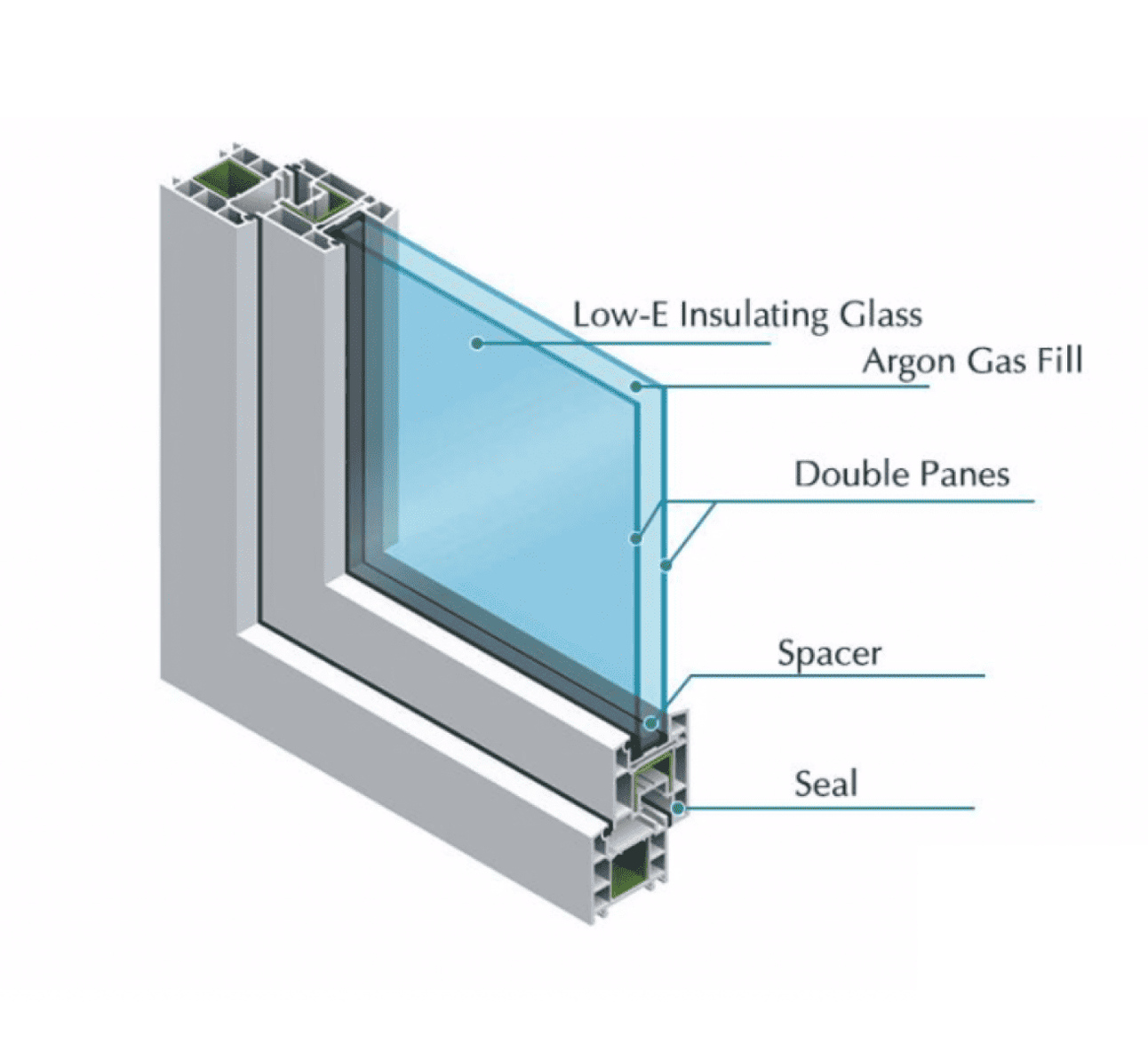
An insulated glass unit is the sealed glass section in a double- or triple-glazed window. Double glazing has two panes of glass; triple glazing has three. The panes are separated by gaps and sealed together around their edges.
Understand what you are choosing
The spaces between the panes help slow heat loss. The exact construction varies, so ask which glass unit is included with your chosen window. Keep the description in your written quote so you can check what you have ordered.
Choose glass around the room
Tell us what matters in each room. You may want privacy, have concerns about traffic noise or find that a room becomes hot in sunshine. Ask which options are available with the selected window and what evidence supports their performance. Each choice should have a clear purpose.
Compare the complete window
The glass is one part of the window. The frame also affects its performance. When comparing heat loss, ask for a complete-window figure, which covers the frame and glass together.
Check the quote before ordering
Confirm the number of panes, the glass specification and any chosen privacy pattern. Ask who provides the product warranty and what it covers.
Questions
Is triple glazing always the best choice?
Compare the complete windows and ask what the different glazing options would change for your home. Use the product specification when weighing up the options.
Can I compare windows using the glass-only heat-loss figure?
Ask for the complete-window figure as well. It accounts for the frame and glass together.
What should I do if my existing glass looks misty?
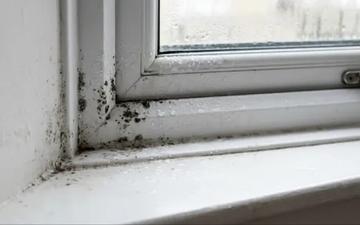
Note whether the moisture is on the inside, outside or between the panes. Ask the original supplier or a qualified glazing professional to assess the problem before deciding what needs replacing.
Planning replacement windows? Send photos and rough measurements for an initial estimate. Final measurements are checked before manufacture.