The place where moisture appears is the first thing to establish. Condensation on the room-facing glass, on the outside surface and between sealed panes can have different explanations.
Condensation is water forming when moisture in the air meets a sufficiently cold surface. It can appear on windows as mist or droplets.
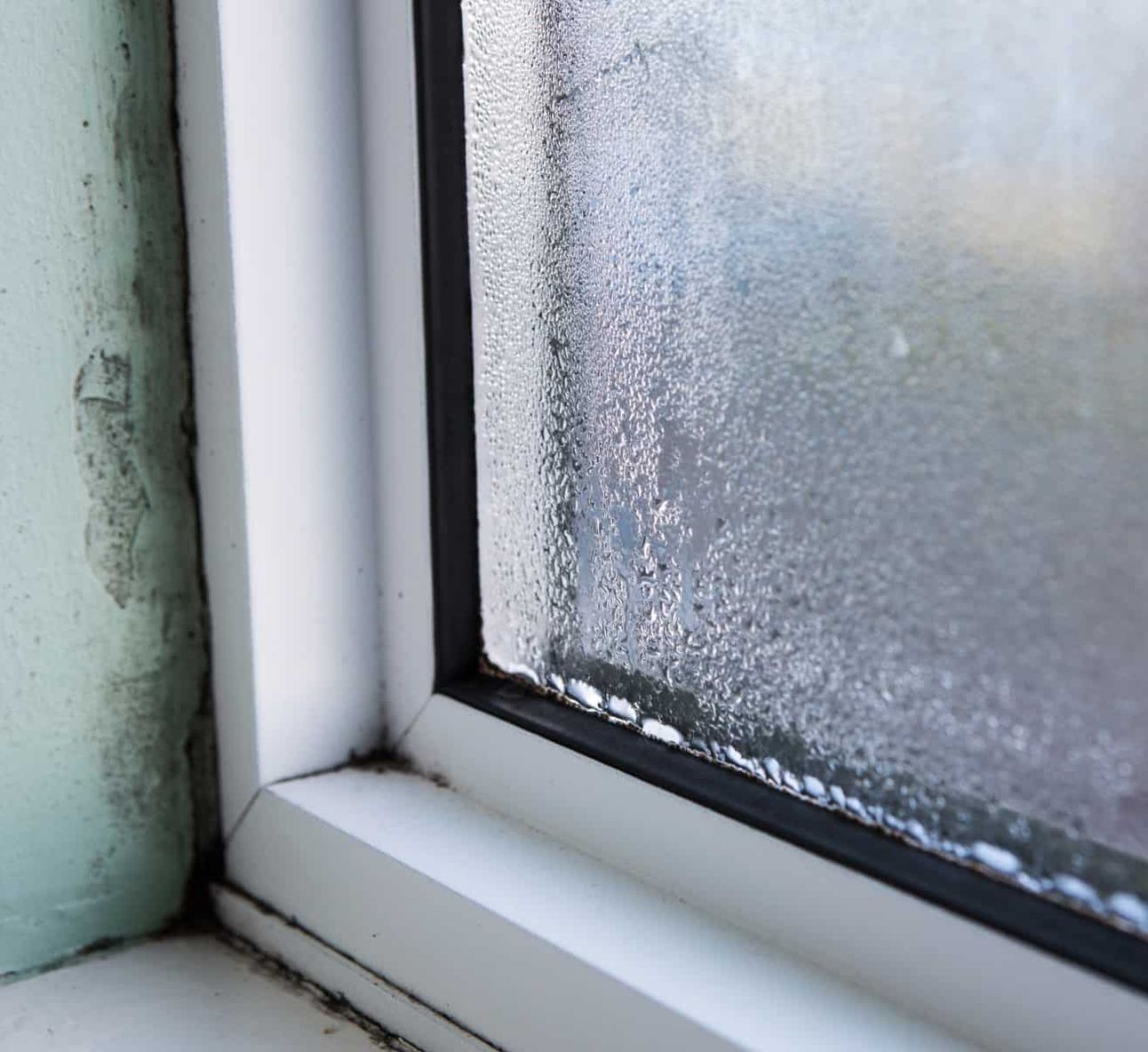
On the room-facing glass
This is moisture on the surface you can reach from inside. It can form when indoor air meets cold glass. Cooking, bathing and drying washing add moisture to indoor air; the home's ventilation and surface temperatures affect what happens to it.
Our practical guide to reducing condensation covers everyday steps and when persistent damp needs investigation.
On the outside surface
Outside air can also leave moisture on cold glass. Modern insulating glazing can keep more warmth indoors, leaving the outer pane colder. In suitable weather, condensation can then form outside.
This observation alone does not establish a window fault or its energy rating. Nearby shelter, the window's position and weather can mean one pane looks different from another.
Between sealed panes
Mist within the gap of double or triple glazing is different from water on an accessible surface. It can indicate a problem with the glass-unit edge seal.
Ask the original supplier or a qualified glazing professional to assess it. Our guide to condensation between the panes explains what information to collect.
Choose the next step from what you see
Look only from a safe position and record the room, time and weather. If you cannot tell which surface is affected, describe the uncertainty when seeking advice.
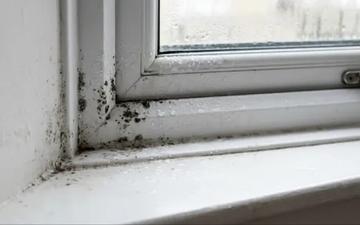
Water after rain, damaged finishes or returning mould needs further investigation. Avoid deciding on repairs or new windows from the appearance of one photograph.
Questions
Does outside condensation mean the window is faulty?
It can be a natural response to the weather and glass temperature. It is different from mist inside the sealed gap.
Why does one pane mist up while another stays clear?
The position of the glass and nearby surroundings can affect its temperature. Similar windows can behave differently.
Will new windows stop all condensation?
The location and cause matter. Consider room ventilation, any building defects and the proposed window before deciding what work is appropriate.
Start by identifying whether the moisture is inside, outside or between the panes. For practical steps on room-facing condensation, read our separate guide.