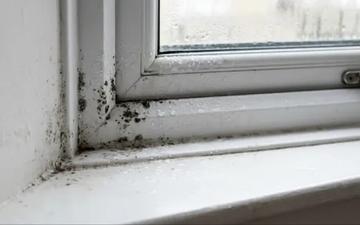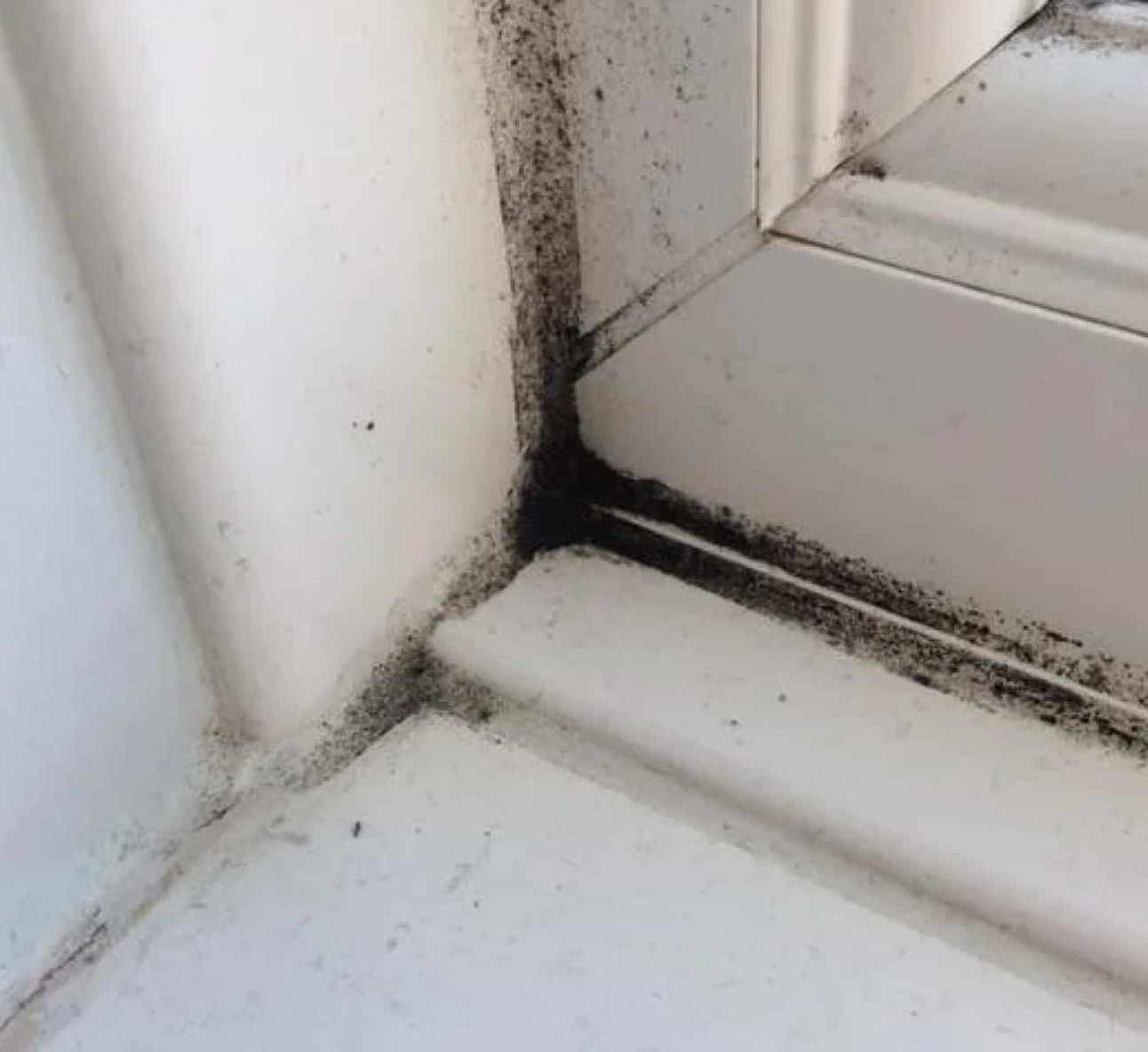
Act promptly if you find mould around a window. Record the affected area and consider whether you need professional help before cleaning. Removing visible growth must be followed by attention to the source of damp.
Consider health concerns first
Damp and mould can affect health. Children, older people and people with certain health conditions may be at greater risk of more severe health effects. If someone is concerned about symptoms, speak to a healthcare professional. Arrange help with the damp or mould as well.
Record and report the problem
Photograph the area before treatment. Note the room, date and any visible water or damage. If you rent, report it to your landlord or managing agent. If you own the home, seek an experienced professional where the extent or cause is unclear.
Know when cleaning needs professional help
Official guidance distinguishes very small amounts of mould on hard surfaces from larger areas that should be dealt with by qualified professionals. Get advice if mould is extensive, keeps returning or affects damaged materials. Explain any health concerns when arranging help.
Use suitable products and protection
For a very small patch on a hard surface, use a mould-cleaning product suitable for the window finish and seals. Follow its instructions and wear the recommended protection, including gloves, a mask and eye protection. Ventilate the room while cleaning where safe, and keep doors to other rooms closed. Do not dry-brush the mould. If unsure, use a qualified professional.
Follow up on the damp
Cleaning cannot show why the surface became wet. Record any returning moisture or mould and arrange an assessment of the cause. Avoid decorating over the problem before the damp is addressed.
Questions
Can I use a home-made cleaning mixture?
Use appropriate product and safety instructions, not a home recipe. Check that it is compatible with the frame and seals.
Why does mould return after cleaning?
The source of moisture may remain. Repeated growth needs further investigation.
Does this mean I need new windows?
No. An assessment should establish the cause before deciding about replacement.
Record where and when the area becomes wet so you can explain the problem when seeking help.