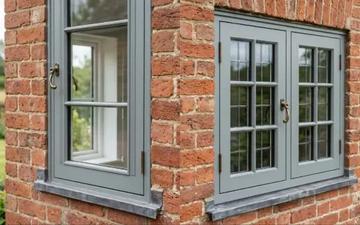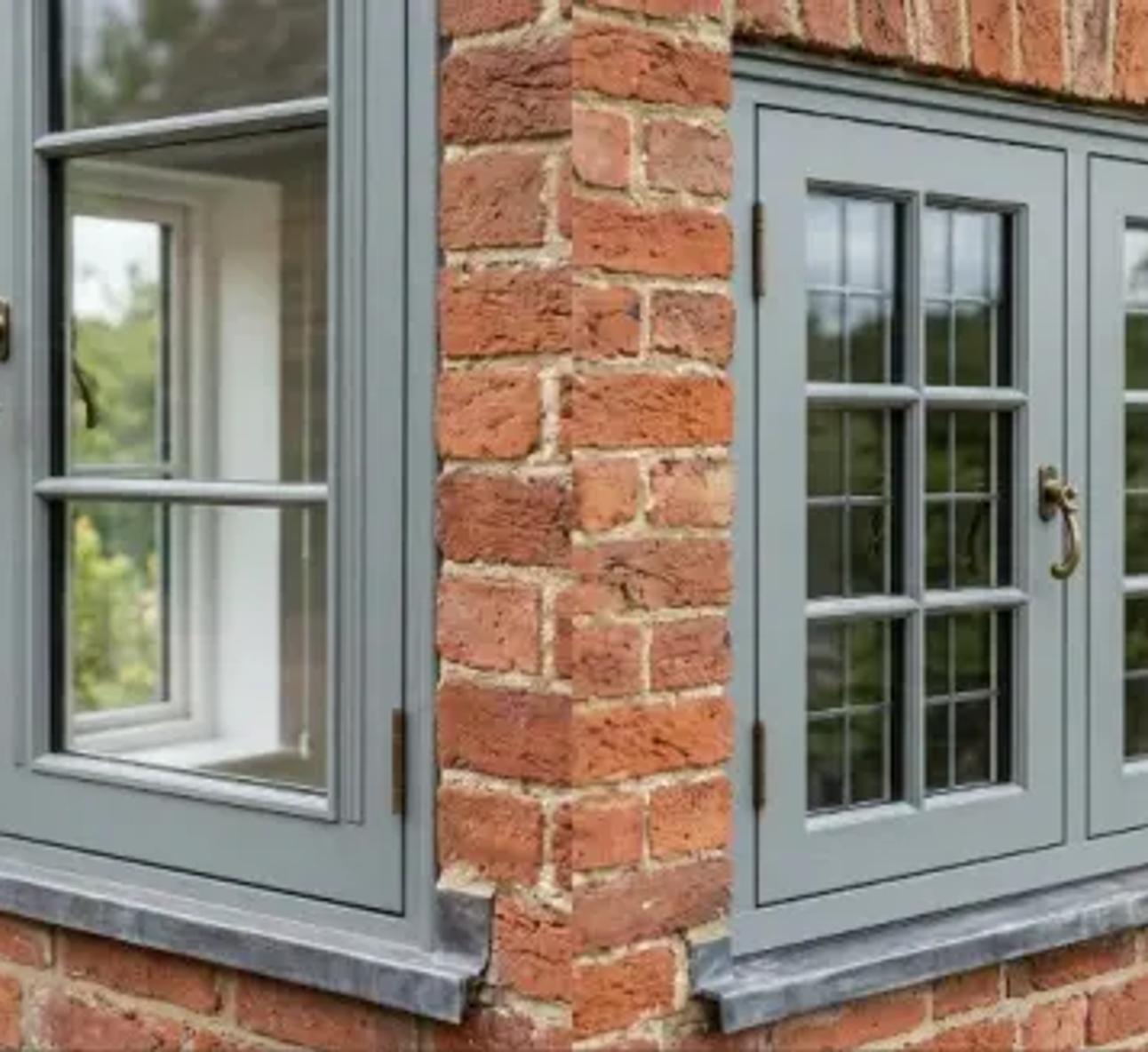
The clearest difference between a flush and a lipped casement is the view of the closed window. In a flush design, the opening section sits level with the outside face of the surrounding frame. A lipped design has an opening section that projects beyond that face.
Both need to be compared as complete windows. The appearance of the opening section does not establish insulation, security or price.
Recognise the closed-window detail
The sash is the framed section containing the glass that opens. The outer frame stays fixed in the wall. Look at how their outside faces meet when the window is closed.
Product names can vary, so ask to see the section or a sample of the actual design. These terms describe construction; they do not guarantee a weather result.
Check the inside appearance too
A window that looks flush outside may have a different internal profile. For example, the Residence Collection describes R7 as flush inside and out, while R9 has a flush exterior and decorative interior.
Compare both sides with your existing frames, handles and room finish. Ask how fixed panes and opening sections will look beside one another.
Choose how the window opens
Flush describes how the closed sash sits in the frame. It does not specify every detail of opening movement. For the casement design being proposed, check which sections open, the hinge positions and the space needed.
Include an outside path or other obstruction in your photos. Ask how applicable ventilation, escape and safe-use requirements will be considered in the final design.
Compare the complete specification
Ask for the named frame system, glass, finish and fittings. Use performance information for the proposed configuration. A flush appearance alone does not prove that one window keeps in more heat or provides better security.
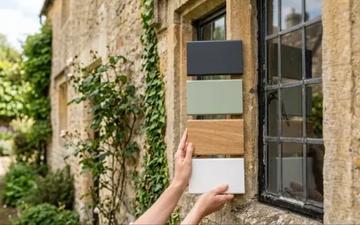
Check care instructions and available finishes for the actual product. Similar colour names do not establish identical finishes across systems.
Request comparable estimates
Send the same photos, approximate inside measurements and postcode for each option. Ask for comparable glass and fitting work so you can understand the price difference.
Windows4You starts with an initial estimate from this information. After you accept it, the final survey checks the dimensions and installation details before the order is confirmed.
Questions
Is every casement window lipped?
No. Casement ranges include flush designs. Ask for the construction and opening arrangement to be shown.
Is a flush window always better insulated?
Compare the complete-window information for the selected size and glass. Appearance alone cannot answer that question.
Can I replace one style with the other?
The opening, proposed product and any property restrictions need to be assessed. Compare the drawing and specification before confirming the order.
Send photos from safe positions, rough inside measurements and your postcode. Tell us which closed-window appearance you prefer.